Hello. We're artists working through collaborative social practice and creative research to understand the ways in which locality is shaped and enacted in the city.
Daragh Sankey has been working hard to release this promo video documenting Andrea Carvalho‘s three tactics to engage in non-places in the city of Windsor. Daragh is filming, logging and editing as much as he can during his residency, and will complete the post-production of the documentary later on this year.
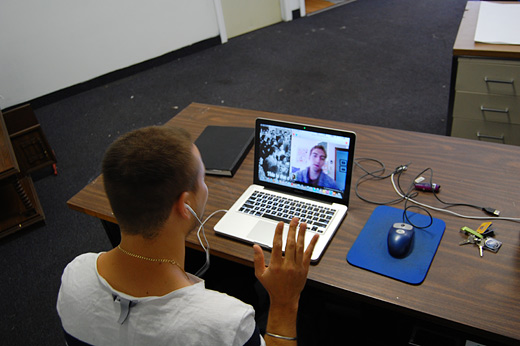
Another day went by quickly here on the 400 block of Pelissier. I met another member of the Department of Unusual Certainties through Skype, The Breakroom celebrated its last day, Leesa painted some chalkboard paint on a few walls for her project, we found a blooming cactus in Andrea’s space and made some potato stamps with Jefferson.
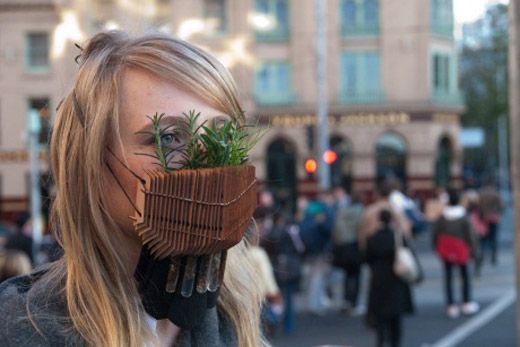
Interesting design idea from Brittany Veitch and Ben Landau using plants, laser-cut components, and a dystopian view of our future.
Bio-Accessories suggest a personal take on the responsibility of greening our cities, or at least our personal space within them, while imagining new and very personal relationships with ecology.
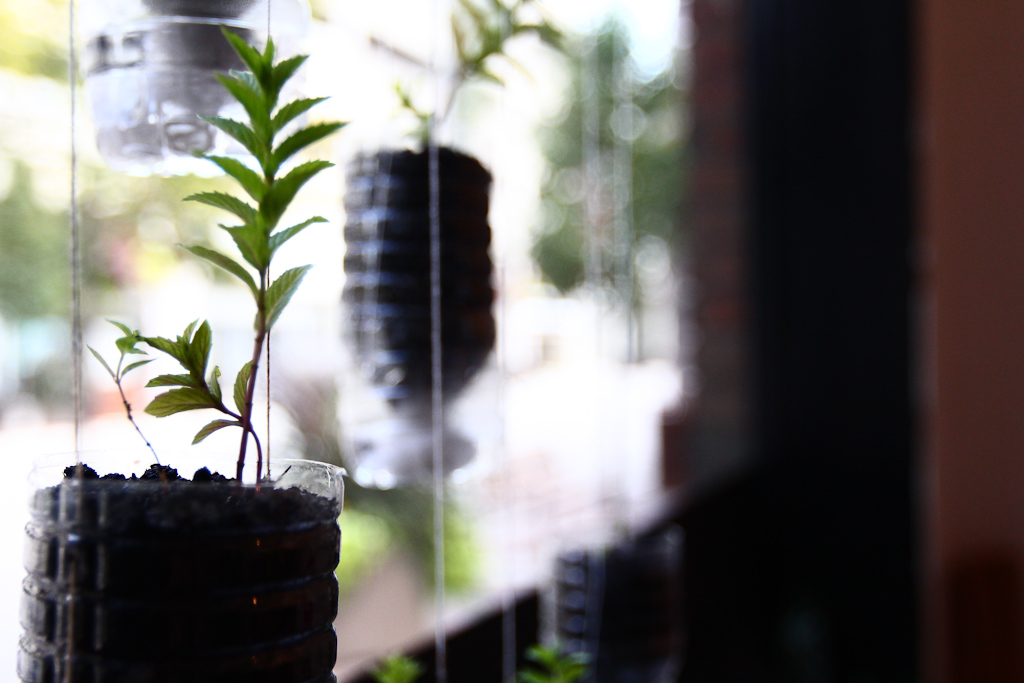
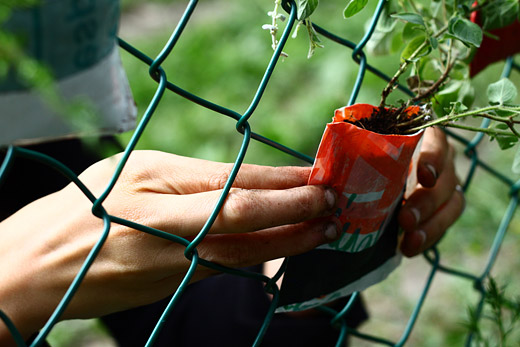
Our magnetic planters have finally been finished and installed (temporarily) along the alley that runs behind our headquarters. Consider yourself cordially invited to take a planter or two and move them to some other space in the city in need of a micro-garden.
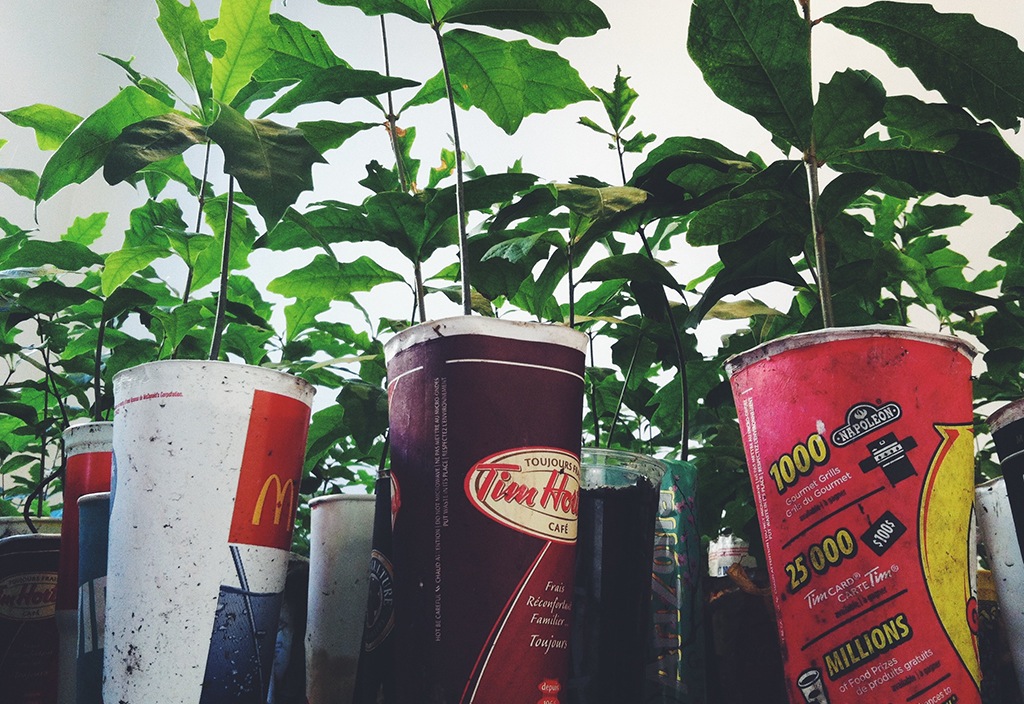
I don’t mean for this to be such a lazy post/reblog, but there’s a few images I’ve been meaning to post for a while. I figured they were good reference points for our magnetic planters project, among others, given the variety of display and function of these planters and the use of recycled materials (see below). So, consider this less any sort of critical discussion of these works, and more just a compilation of image research for stuff we’re doing and would like to do. That being said, I’d highly recommend following the links throughout to read more about the projects.
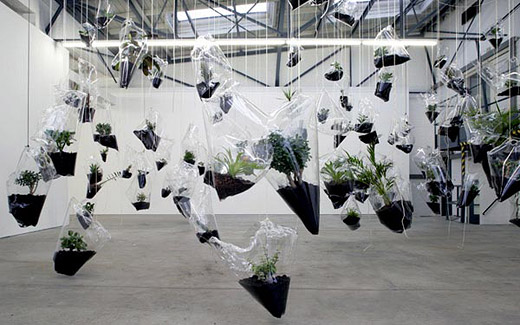
First up, pictured above is, “The Hanging Smoking Garden”, 2007 by Mikala Dwyer from vvork.
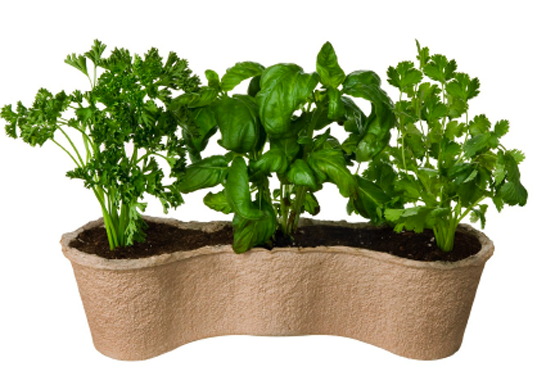
It’s a product made by MIO from recycled paper, and is available at Target, but I mainly wanted to post this as a note. As we’ve now “mastered” the process of making paper, we should consider different shapes for the planters we’re working on, which will likely help to guide the process of making the planter frames from the wire we have.
By Joshua Babcock on February 27th, 2009, 9:00 am 2 Comments
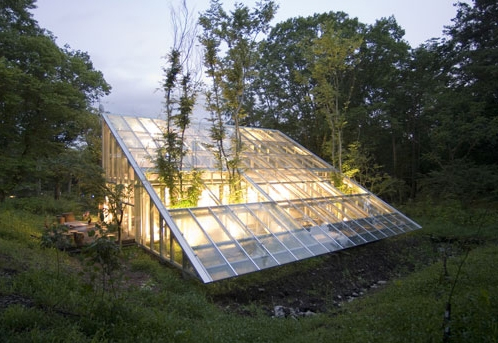
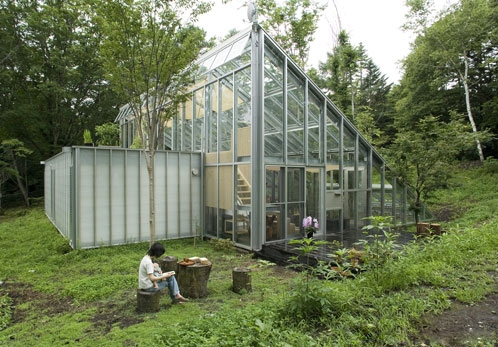
I’m not sure if anyone visiting this blog has seen this specific project, but from an ecological standpoint, this house seems quite easy on its surrounding flora and fauna. I also think it’s quite elegant and well designed. Compartments are integrated into the home for trees and surrounding soil doesn’t look like it’s been modified much. I’d imagine this type of structure would only be inhabitable in tropical-type regions. Nonetheless, where do I sign?
“This house by Hiroshi Iguchi is part of the Fifth World project which aims to promote eco friendly, sustainable architecture. The house takes natural elements and blends them all into the design of the interior. Warm, natural materials are used. Wood for the floors, light, traditional Japanese panels for compartments and white canvas to protect the interior from excessive heat. Even more, some of the trees were literally incorporated into the house, by letting them grow up to the sky in between the walls of the house.”
Made from reused / fused plastic bags, 600 plants, and used TV aerial towers for the support structure, this living wall made by Adam Harris and Parimal Gosai is currently on display at Toronto’s Gladstone Hotel. The show, Come Up To My Room, is showcasing a bunch of fun and engaging design and some bad art.
By Joshua Babcock on January 30th, 2009, 10:00 am 2 Comments
In the summer of 2008, Broken City Lab’s early days, we discussed using moss for a small number of projects. While the current weather is not permissive of working outdoors with plants, I wouldn’t mind giving moss another chance come spring. La Chanh Nguyen is way ahead of us, creating moss carpets for use indoors! They never need to be washed and are resistant to mould.
“Created by Switzerland-based industrial designer La Chanh Nguyen, the small indoor greenspace features three types of live green mosses – ball moss, island moss and forest moss – that grow in individual “cells” of plastazote, a decay-free foam. This lovely little bathmat can even thrive under the dubious care of the green-thumb challenged: mosses flourish in damp, humid places, making bathrooms ideal homes for these comfy carpets.”
Botanicalls is this incredible project I came across sometime last year. Essentially, it uses a microcontroller and sensor along with PHP and an open-source telephone system to allows plants to make phone calls and ask for water when they’re getting dried out. The project, as part ofConflux 2008, has become a walking tour in New York during which, “Participants call the Botanicalls main phoneline and navigate to the location-specific plant. Each tree or plant, speaks in their own ‘Botanicalls’ voice – which is based on their botanical habits and characteristics.” Not only do I think the project is a really great use of simple hardware and technology to create a novel experience, but the way in which they document and visually describe their project is really, really good.